

 See My Latest Article on HelloNation
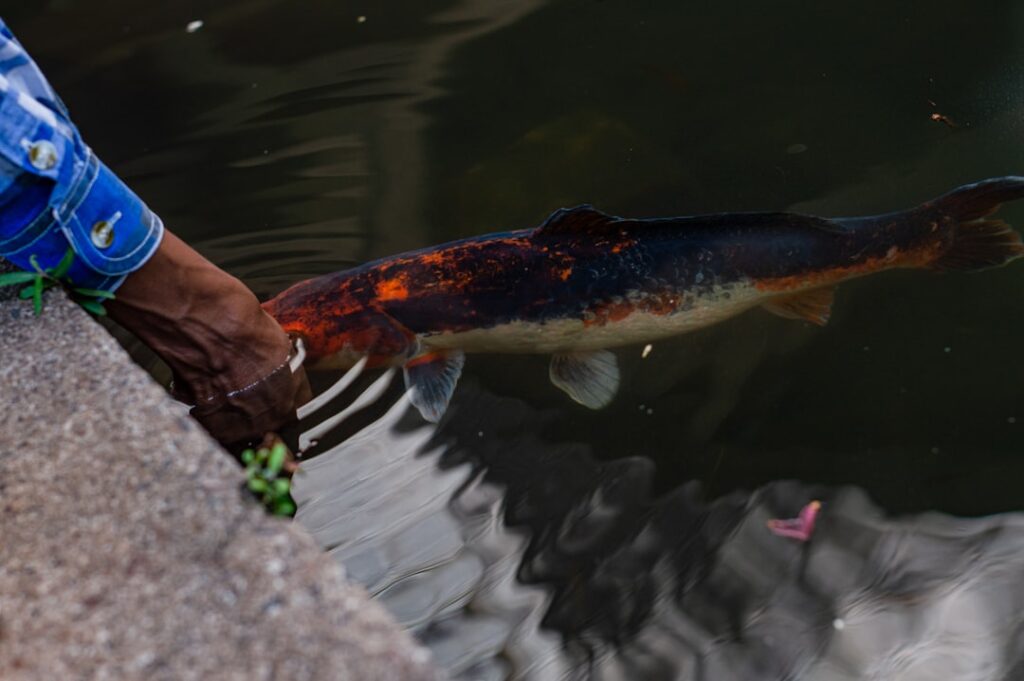
What Are the Basics of Stocking a Pond in Albany, NY?
Creating a healthy, productive fishing pond begins with understanding local conditions and regulations. In Albany, New York’s seasonal climate—with cold winters and warm, humid summers—directly affects which fish species thrive. Residents should assess pond size, water source, and site layout before considering any species.
Most backyard and farm ponds in the city area range from a quarter-acre to several acres. Stocking densities and timing depend on whether your goal is family fishing, wildlife viewing, or ecological balance. Local regulations require that you check for any necessary permits, especially if there is potential connection to public waterways.
Which Fish Species Are Suitable for Local Ponds?
Albany’s climate supports several popular freshwater species, but those that handle cold winters and variable conditions are best. Stocking recommendations for the area often focus on:
- Largemouth bass—good for fishing and population control
- Bluegill and pumpkinseed sunfish—provide food for bass and are easy to catch
- Channel catfish—adaptable and thrive in deeper ponds
- Fathead minnows—for natural forage
Trout can work in spring-fed or deeper ponds with year-round cool temperatures, but most small ponds warm up too much in summer.
For best results, avoid introducing species not recommended by state wildlife agencies: some pond fish (such as crappie or carp) often outcompete natives and upset the balance in compact, managed ponds.
How Should Fish Be Stocked and in What Order?
Introducing fish in a balanced sequence prevents stunted growth and allows for healthy populations. The most widely recommended approach for local ponds:
1. Add forage fish (minnows, sunfish) during the first season.
2. Wait until these establish—usually by the following spring.
3. Introduce predatory species like bass a season or year later.
This supports a balanced food web and may eliminate the need for supplemental feeding. Attempting to stock all at once, or in the wrong order, is a common mistake and leads to unbalanced populations.
How Many Fish Can a Pond Support?
Capacity depends on size, water depth, and management approach. An average half-acre pond in the area, well-aerated and managed for fishing, can typically support:
- 100-150 largemouth bass
- 300-500 bluegill or sunfish
- 50-75 channel catfish (if desired)
Overcrowding leads to small, unhealthy fish and excess algae. Understocking limits fishing, but allows fish to reach larger sizes. If feeding or aeration systems are added, higher densities can be considered, but most homeowners in the community stick with natural productivity.
When is the Best Time of Year to Stock Fish?
Fish acclimate better to their new environment during spring or early fall, when water temperatures range from 50–70°F. This reduces stress and increases survival rates.
Stocking during mid-summer or when water is frozen should be avoided. Newly dug or repaired ponds should run clear and develop stable conditions before fish are introduced, which often takes a few months.
What Water Quality and Habitat Factors Should Be Considered?

Most local pond issues relate to poor water quality or lack of shelter. Productive fishing ponds require:
- At least 6–8 feet of depth in part of the pond to prevent winterkill and overheating
- Clear, low-nutrient water to reduce algae and weed blooms
- Submerged structure such as branches, logs, or artificial habitats for fish cover
Runoff from lawns or driveways can carry fertilizers and create water quality issues. If you notice cloudy water, rapid plant growth, or frequent fish kills, review potential contamination sources and consider water testing. Floating docks, shade from trees, and shallow shelves also help habitat quality but should be balanced to prevent pond overheating or over-shading.
Are There Legal or Ecological Risks in Fish Stocking?
A private pond in Albany isn’t usually subject to strict stocking controls, but local and state rules still apply. Releasing wild-caught fish or moving fish from nearby waterbodies can introduce diseases or invasive species. Always acquire fish from reputable, disease-free hatcheries.
Never release unused bait fish into your pond. Inappropriately stocked ponds can harm not just your own fishing, but local wildlife and downstream water quality. Ponds with outlets to public streams or wetlands are subject to stricter rules.
What Ongoing Management is Needed After Stocking?
Even after stocking, pond care is an ongoing process. Routine tasks include:
- Monitoring for signs of fish stress, disease, or stunted growth
- Controlling aquatic weeds and algae through mowing, hand removal, or aeration—never with unauthorized chemicals
- Allowing responsible fishing harvest: regular removal of a portion of the catch (especially smaller bass) helps keep populations healthy
- Checking for erosion, leaks, or sudden changes in water level
In winter, monitor for ice cover; fish can suffocate if snow blocks light to submerged plants. Some pond owners use aerators to ensure proper oxygen in severe winters, though most well-designed ponds in Albany naturally support fish through the season.