

 See My Latest Article on HelloNation
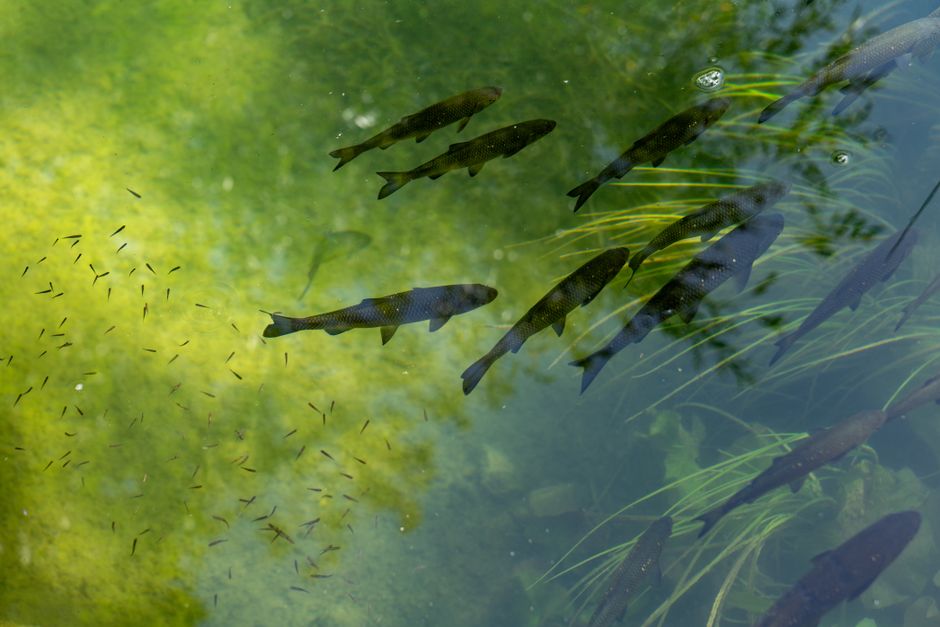
Cold-water stocking is not simply a matter of choosing fish that tolerate winter. The right species must also match the pond’s summer temperatures, dissolved oxygen, depth, food supply, water flow, and intended use. For residents managing a private pond in Albany, NY, those conditions can change significantly between a cold, snow-covered winter and a warm, stagnant summer.
A suitable stocking plan begins with the pond rather than with a preferred fish species.
What makes a pond suitable for cold-water fish?
A cold-water pond stays sufficiently cool and oxygenated through summer to support species such as trout. Deep water, groundwater inflow, shaded shorelines, and steady circulation can all help maintain suitable conditions.
Winter ice is usually not the main challenge. Many cold-water fish tolerate very low temperatures. The greater concern is summer stress, when warm surface water and decomposing vegetation can reduce oxygen levels.
Before stocking, assess:
- Pond depth and the size of any deeper refuge
- Presence of springs, seeps, or cool inlets
- Water temperature during July and August
- Amount of aquatic vegetation and algae
- Whether the pond has an outlet or regular water exchange
- Existing fish, frogs, turtles, and other aquatic life
- Whether the pond is used for fishing, scenery, irrigation, or swimming
A pond that becomes warm throughout its entire water column is generally a poor long-term home for trout, even if it freezes during winter.
Which fish are commonly considered for cold-water stocking?
Trout are the primary cold-water stocking choice for many private ponds, but the species should be selected according to water conditions and management goals.
Rainbow trout can provide good seasonal fishing in cool, well-oxygenated ponds. They are often used where the goal is recreational angling rather than permanent year-round survival. In a marginal pond, rainbow trout may perform well during spring and fall but struggle as summer temperatures rise.
Brook trout require especially clean, cool, oxygen-rich water. They can be an appropriate choice for ponds with dependable cold-water inflow, but they are less forgiving of warm or stagnant conditions. Brook trout habitat also benefits from cover and a stable food supply.
Brown trout are strong swimmers and can tolerate somewhat broader conditions than brook trout, but they still need cool, oxygenated water. Their larger size and predatory behavior may affect existing fish communities, so they should not be added without considering what already lives in the pond.
For many small private ponds, trout stocking is seasonal rather than permanent. The fish may be intended to provide fishing during cooler months, with the understanding that survival through the following summer is uncertain.
Are warm-water fish a better choice for some ponds?
Yes. A pond can be healthy and productive without being suitable for cold-water species. If summer water temperatures rise substantially, warm-water fish may be more appropriate.
Largemouth bass, bluegill, and yellow perch are examples of fish commonly associated with warm-water pond management. They can often use habitats that would be unsuitable for trout, particularly where the pond has abundant shallow areas and no dependable cold-water source.
However, warm-water stocking is not automatically simpler. Bass may reduce populations of smaller fish, while bluegill and other prey species need enough habitat and food to maintain a balanced population. Adding too many predatory fish can result in poor growth, limited forage, or an unstable fish community.
The choice should reflect the pond’s natural temperature pattern, not the fish a property owner happens to prefer.
How do temperature and oxygen affect stocking decisions?
Temperature and oxygen work together. Cold water can hold more dissolved oxygen than warm water, but oxygen may still fall sharply when vegetation dies back, organic material decomposes, or the pond develops strong summer stratification.
A pond may appear clear and healthy at the surface while oxygen levels are inadequate in deeper water. This is one reason a single surface temperature reading does not tell the whole story.
Useful observations include:
- Measuring temperature at the surface and at several depths
- Watching for fish gasping near the surface during hot weather
- Noting foul odors, sudden algae growth, or heavy plant decay
- Checking whether deep water remains cool and oxygenated
- Observing whether water levels drop sharply during dry periods
Stocking should be postponed if the pond is experiencing an algae bloom, fish die-off, severe turbidity, or other water-quality problem. Fish added to stressed water are unlikely to correct the underlying issue.
Should fish be stocked into an empty pond?
Not necessarily. An empty pond may lack the insects, plankton, forage fish, cover, and habitat needed to support a larger stocked fish population.
A new or recently renovated pond may need time to develop a food web before fish are introduced. In other situations, fish may already be present even if they are not visible from shore. Frogs, salamanders, turtles, waterfowl, and drainage connections can also affect the pond’s ecological balance.
Stocking without knowing the existing fish community can create competition or introduce predators that overwhelm smaller species. A basic inventory should identify visible fish, signs of reproduction, aquatic vegetation, and connections to streams or other waters.
What mistakes commonly cause cold-water stocking problems?
The most common mistake is treating “cold-water stocking” as a winter decision. A fish may survive transportation and early spring conditions yet fail once the pond warms.
Other frequent problems include:
- Stocking too many fish for the available habitat
- Ignoring low oxygen in deep water
- Adding trout to a shallow pond with no cool refuge
- Introducing predators before forage populations are established
- Assuming clear water means healthy water
- Using fish from an unknown or unauthorized source
- Moving fish between ponds without considering disease and invasive species
- Stocking before identifying existing species
Another misconception is that aeration alone can turn a warm pond into a trout pond. Aeration may improve oxygen distribution, but it does not necessarily lower the pond’s overall temperature. It also must be designed and operated carefully because mixing deep water at the wrong time can worsen oxygen conditions.
What permits apply in New York?
Private-pond stocking in New York generally requires authorization from the New York State Department of Environmental Conservation. The agency advises landowners to identify the proposed species, source, existing fish, and pond location as part of the review process. ([dec.ny.gov](https://dec.ny.gov/regulatory/permits-licenses/waterways-coastlines-wetlands/protection-of-waters-program/constructing-recreational-and-farm-ponds?utm_source=openai))
Special rules apply to particular species. For example, only certified triploid grass carp may be legally stocked for aquatic plant control, and a separate permit is required. These fish are not a general solution for algae or every type of aquatic vegetation. ([dec.ny.gov](https://dec.ny.gov/things-to-do/freshwater-fishing/private-pond-stocking/triploid-grass-carp?utm_source=openai))
Permit requirements can vary with the pond’s design, connection to natural waters, wetlands, intended use, and selected species. Confirm current requirements before purchasing or transporting fish.
What is a sensible starting plan?
For a pond in the area, begin with a written site assessment:
1. Record pond depth and water levels.
2. Measure summer temperatures at multiple depths.
3. Look for springs, shaded sections, and reliable inflow.
4. Identify existing fish and aquatic wildlife.
5. Decide whether the goal is seasonal trout fishing or a self-sustaining warm-water fishery.
6. Review the stocking plan with the appropriate state fisheries office.
7. Stock conservatively and monitor fish condition, oxygen, vegetation, and water temperature afterward.
The most suitable fish is the species the pond can support consistently, not necessarily the species that offers the greatest short-term appeal. In many cases, a modest, carefully timed stocking is safer for the pond than a large introduction based on acreage alone.