

 See My Latest Article on HelloNation
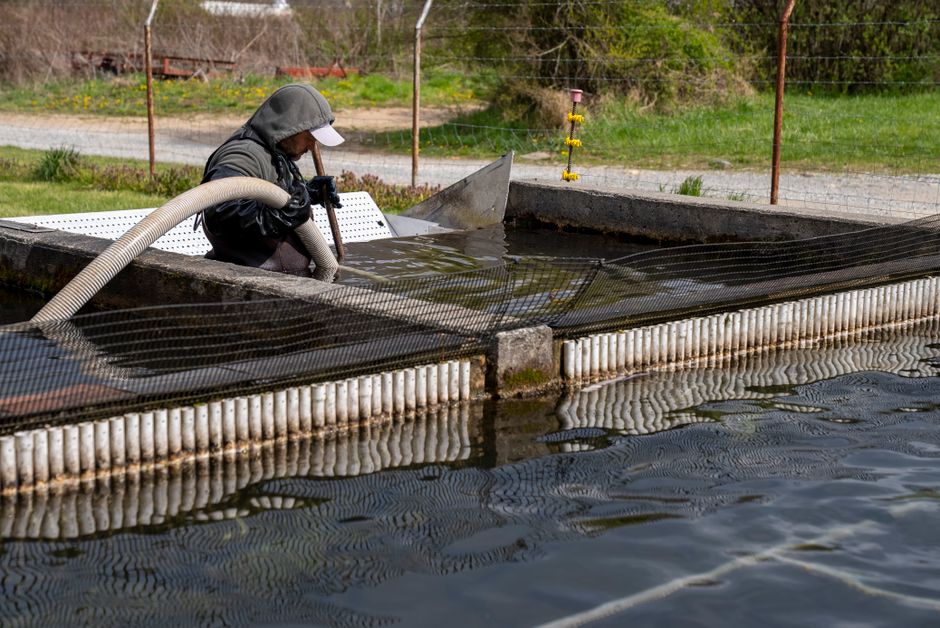
Fish stocking can improve a private pond, support a recreational fishery, or restore populations after a management problem. It can also create long-term issues if fish are introduced without considering water quality, habitat, existing species, disease prevention, or New York regulations.
The following answers address common questions from property owners, anglers, and residents interested in how responsible stocking works.
What does fish stocking mean?
Fish stocking is the intentional release of live fish into a pond, lake, stream, or other body of water. The purpose may be to establish a balanced sport fishery, replace lost populations, provide forage for larger fish, or support conservation goals.
Stocking is different from releasing leftover bait. A planned stocking uses selected species, quantities, sizes, and timing based on the waterbody’s conditions. Releasing fish from an aquarium, bait bucket, or another pond is not a substitute for a stocking plan and may spread disease or introduce species that disrupt the existing ecosystem.
Is a permit required to stock fish in New York?
Yes. Fish should not be placed in a private or public freshwater body without the appropriate New York State Department of Environmental Conservation permit. A stocking permit is generally required even when the waterbody is privately owned.
The permit process helps confirm that:
- The proposed species are suitable for the waterbody.
- The fish come from an approved and disease-conscious source.
- The stocking will not threaten nearby waters.
- The release complies with state rules concerning fish health and species management.
A private pond is not automatically exempt simply because it is located on private property. Residents should verify current requirements before purchasing or transporting fish.
Can fish from one pond be moved to another?
Fish should not be moved from one waterbody to another. This includes private ponds, public lakes, streams, and connected drainage areas.
Moving live fish can transfer parasites, bacteria, viruses, aquatic plants, and unwanted species. Even a few fish may reproduce quickly or compete with native populations. A fish that appears healthy can still carry a disease or organism that is not present in the receiving water.
The same principle applies to baitfish. Never empty a bait bucket into a pond, stream, or river. Bait water should be disposed of on land, away from storm drains and shorelines.
Which fish are commonly stocked in private ponds?
The best species depend on pond size, depth, water temperature, vegetation, dissolved oxygen, and the fish already present. Commonly considered species may include largemouth bass, bluegill, yellow perch, fathead minnows, and trout in suitable cold-water settings.
These fish serve different roles:
- Forage fish provide food for predator species.
- Panfish offer smaller recreational catches and help support a food web.
- Predator fish help control forage populations but can become stunted if food is limited.
- Trout require cooler, well-oxygenated water and may not survive through warm summers in shallow ponds.
There is no universal stocking combination. Adding more species does not necessarily produce better fishing. In some ponds, a simpler fish community is more stable and easier to manage.
How do you know what a pond needs before stocking?
A pond should be evaluated before fish are ordered. Stocking an unsuitable pond often leads to poor survival, overcrowding, or fish that grow slowly.
Important factors include:
- Surface area and average depth
- Water clarity and temperature
- Aquatic vegetation
- Shoreline erosion and runoff
- Availability of submerged cover
- Existing fish species and their approximate sizes
- Signs of low oxygen, winterkill, or algae problems
- Whether the pond connects to a stream, wetland, or drainage system
In the Albany area, seasonal temperature swings matter. A pond that appears healthy in spring may experience warm, oxygen-poor conditions in late summer. Winter ice and snow cover can also reduce light and oxygen, especially where heavy vegetation decomposes beneath the ice.
When is the right time to stock fish?
Spring and fall are often preferred because water temperatures are moderate and fish experience less heat stress during transport and release. The exact timing depends on the species, fish size, water temperature, and weather.
Stocking during very hot weather can increase mortality. Fish should not be released into water that is dramatically warmer or colder than the water used for transport. The release site should also have adequate depth and oxygen.
Late fall stocking may be practical for certain species, but winter conditions should be considered. If a pond regularly develops severe oxygen depletion beneath ice, adding fish before winter may result in substantial losses.
How many fish should be stocked?
The correct number depends on the pond’s ability to produce food and maintain oxygen. Surface acreage alone is not enough to determine a safe stocking rate.
A pond with abundant natural food, suitable cover, and good water quality can support more fish than a similar-sized pond with muddy water, little habitat, or heavy competition. Stocking too many fish may lead to:
- Small, slow-growing fish
- Increased disease transmission
- Competition for food
- More frequent fish kills
- Poor balance between predator and prey species
A measured approach is safer than stocking heavily and hoping the population regulates itself.
Does stocking eliminate algae, weeds, or unwanted fish?
Usually, no. Fish stocking is not a general-purpose treatment for pond problems.
Some species may influence vegetation or insect populations, but they will not correct excessive nutrient runoff, failing septic systems, shallow sediment-filled areas, or persistent algae blooms. Fish also cannot reliably remove an unwanted population once it is established.
Chemical treatments, fish removal, water-level changes, and habitat work may involve separate permits and environmental considerations. A pond problem should be identified before fish are added, because stocking can make an existing imbalance more difficult to correct.
Can grass carp or other unusual species be stocked?
Certain species have special restrictions because they can alter habitat or spread beyond the intended pond. Grass carp, for example, are regulated and cannot be treated like ordinary pond fish. Other species may be prohibited, restricted, or unsuitable for release in New York waters.
Do not assume that a fish is legal to stock because it is available elsewhere. Species names can also be confusing; fish sold under a common name may have different legal or ecological implications. Confirm the species and permit requirements before transport or release.
What should happen after fish are stocked?
A stocked pond needs observation and management. Keep records of the species, number, size, date, water conditions, and any fish mortality. Monitor catches over time rather than judging success immediately.
Useful signs include:
- Fish appearing in multiple size classes
- Healthy growth and body condition
- Reasonable numbers of both predator and prey fish
- No repeated summer or winter fish kills
- Stable water clarity and vegetation
- No unexplained fish illness or mass mortality
If dead or distressed fish appear, avoid moving them or adding more fish. Note the location, date, weather, water conditions, and visible symptoms, then seek guidance from the appropriate fisheries authority.
Is fish stocking suitable for every pond?
No. Some ponds are too shallow, too warm, too acidic, too polluted, or too poorly oxygenated to support a dependable fishery. A pond may also contain an established population that would be harmed by new introductions.
Responsible stocking begins with determining whether stocking is needed at all. In many cases, improving shoreline cover, reducing nutrient runoff, repairing erosion, or protecting water quality will produce better results than adding fish. A healthy pond ecosystem is built through appropriate management, not simply by releasing more animals.