

 See My Latest Article on HelloNation
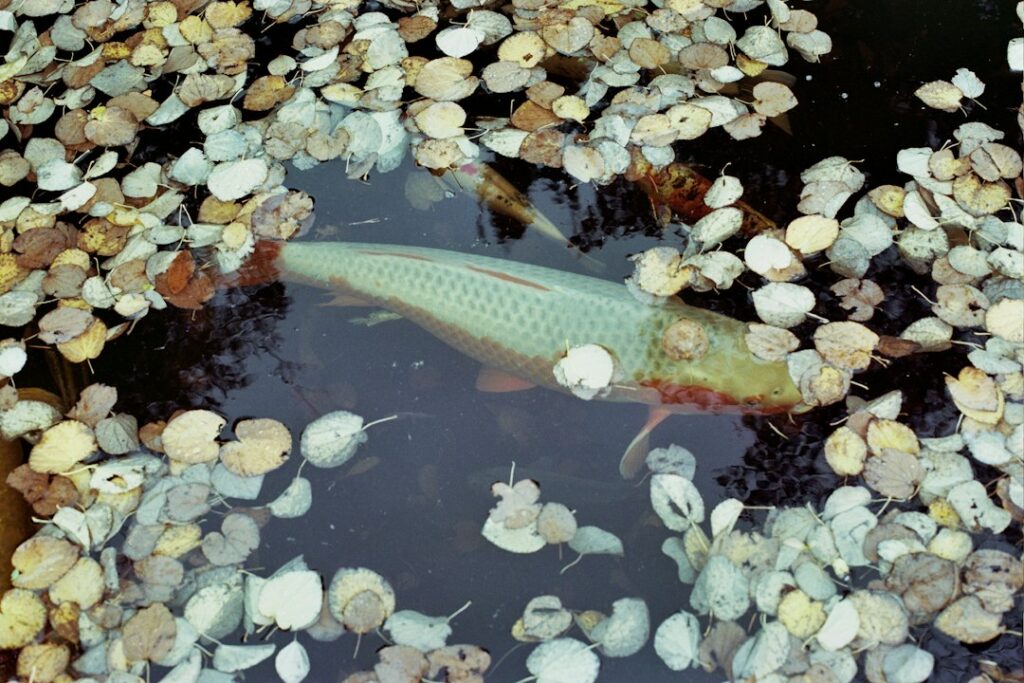
Stocked fish can become sick for several reasons, including transportation stress, poor water quality, overcrowding, parasites, bacteria, and viruses. Early observation is useful because many disease problems begin with changes in behavior before obvious damage appears on the fish.
For residents managing a private pond or observing stocked fish in local waters, the safest approach is to focus on prevention, avoid moving fish between water bodies, and treat a suspected outbreak as a water-health problem rather than simply an individual-fish problem.
What are the first signs that a stocked fish is sick?
The earliest warning signs are often changes in swimming, feeding, breathing, or location. A fish that stays near the surface, gathers around an inlet, rubs against objects, or separates from the group may be under stress.
Look for:
- Loss of appetite or unusual refusal to feed
- Slow, tilted, spinning, or erratic swimming
- Gasping at the surface or rapid gill movement
- Isolating from other fish
- Frequent rubbing against rocks, vegetation, or pond edges
- Cloudy, sunken, swollen, or protruding eyes
- Pale, darkened, reddened, or patchy skin
- Torn fins, missing scales, ulcers, or bleeding
- White spots, cotton-like growths, or excess slime
- Swollen abdomen or an unusually thin body
A single abnormal fish does not always indicate an outbreak. Handling injuries, spawning activity, temperature changes, and temporary transport stress can produce similar symptoms. Concern increases when several fish show the same signs or when dead fish appear over a short period.
Which diseases and conditions commonly affect stocked fish?
Fish disease is usually associated with bacteria, viruses, fungi, or parasites, but environmental stress often makes the disease possible. Fish weakened by warm water, low oxygen, poor nutrition, or overcrowding are less able to resist infection.
Bacterial infections may cause ulcers, reddened areas, frayed fins, abdominal swelling, or internal bleeding. Fungal growth often appears as white or gray material on damaged skin, eggs, or dead tissue. Parasites may cause flashing, excess mucus, gill irritation, weight loss, or small spots on the body.
Viral diseases deserve special caution because some have no effective treatment once fish are infected. Viral hemorrhagic septicemia, commonly called VHS, can affect many freshwater fish and may cause bleeding, unusual behavior, weakness, and death. It does not threaten human health, but infected fish can spread the virus to other fish.
Not every fish kill is caused by disease. Low dissolved oxygen, sudden temperature shifts, toxic algae, polluted runoff, and chemical exposure can kill fish quickly. A sudden die-off after heavy rain or pond treatment may point to an environmental problem instead of an infection.
How does water quality affect fish disease?
Water quality is one of the most important parts of disease prevention. Fish living in unsuitable water experience chronic stress, even if the pond looks clear.
Useful conditions to monitor include:
- Water temperature
- Dissolved oxygen
- pH
- Ammonia and nitrite
- Water clarity and odor
- Algae growth
- Organic debris and decaying vegetation
In the Albany area, seasonal changes can place extra pressure on stocked fish. Winter ice can limit oxygen exchange, while summer heat can warm shallow ponds and reduce the oxygen available to fish. Trout are especially vulnerable to prolonged warm water and require cool, well-oxygenated conditions.
Avoid feeding more than fish can consume. Uneaten feed decomposes and can worsen oxygen and ammonia problems. Maintain a vegetated buffer around the pond where practical, and limit fertilizer, pesticide, road salt, pet waste, and other runoff entering the water.
What should be done before stocking new fish?
New fish should come from a permitted source that provides current health documentation. In New York, private-pond stocking requires appropriate state authorization, and fish purchased from a licensed commercial hatchery should be accompanied by a Fish Health Certificate Report showing recent testing for harmful pathogens.
Before stocking:
- Confirm that the species matches the pond’s temperature and habitat.
- Check whether the planned stocking requires a permit.
- Ask for health certification and stocking records.
- Inspect fish for obvious sores, abnormal swimming, cloudy eyes, or heavy parasite loads.
- Do not accept fish from an unknown source or another private pond.
- Acclimate fish gradually to the receiving water’s temperature.

Moving fish without proper authorization can spread pathogens between water bodies. It can also introduce species that do not belong in the pond and disrupt the existing fish population.
Can fish be quarantined before entering a pond?
Quarantine is practical for aquariums, tanks, and some small private systems, but it is difficult for a large pond. New fish should be isolated in a separate, clean holding system when feasible, especially if they are valuable brood fish or are being added to a controlled facility.
During quarantine, observe feeding, swimming, breathing, skin condition, and mortality. Do not share nets, buckets, aerators, or other equipment between the holding system and an established fish population unless the equipment has been cleaned and disinfected.
Avoid adding medications “just in case.” Treatments can harm fish, beneficial organisms, or water quality when the actual problem is unknown. Some products are not appropriate for ponds connected to streams, wetlands, drinking-water sources, or other natural waters.
How can anglers help prevent disease from spreading?
Anglers, boaters, and pond owners can spread fish disease without realizing it. Water, mud, plant fragments, bait buckets, live wells, nets, waders, and transport containers may carry infectious material.
After leaving a water body:
- Remove mud, plants, and animals from gear and equipment.
- Drain live wells, bait tanks, bilges, and other compartments.
- Never move live fish to another water body.
- Release bait only where regulations allow and where it was collected.
- Do not dump leftover bait, fish parts, or carcasses into the water.
- Allow equipment to dry thoroughly before using it elsewhere.
- Disinfect equipment when required, particularly after use in waters known to contain a serious pathogen.
A diluted chlorine solution may be appropriate for certain hard, nonporous equipment, but it must be used carefully and rinsed completely. Chlorine residue is toxic to fish, amphibians, and aquatic invertebrates.
What should be done if several fish are sick or dead?
Do not harvest, transport, or release visibly sick fish. Photograph unusual signs if it can be done without handling the fish, and record the date, water temperature, recent weather, stocking activity, treatments, and number of affected fish.
If many fish are dying, avoid applying chemicals until the cause is better understood. A treatment aimed at parasites will not correct oxygen depletion, pesticide runoff, or a viral disease. Large or unusual fish kills should be reported to the appropriate New York State Department of Environmental Conservation fisheries office.
People handling dead or diseased fish should wear disposable gloves, wash hands afterward, and keep fish tissue away from food-preparation surfaces. Fish showing obvious disease should not be eaten. Cooking does not make every form of contamination or spoilage safe.
Is a fish with spots always diseased?
No. Dark marks, pale areas, scars, fin damage, or small organisms on the skin can have several explanations. Some changes are normal coloration, healed injuries, breeding condition, or harmless environmental staining.
The pattern matters. A single spot on one fish is less concerning than widespread lesions, bleeding, rapid breathing, or multiple fish behaving abnormally. Accurate diagnosis often requires examining the fish, water conditions, and recent management history together.
The most reliable prevention plan is straightforward: stock only healthy, properly documented fish; match species to the pond; maintain water quality; reduce handling stress; keep equipment clean and dry; and never move fish or untreated water between water bodies.