
 See My Latest Article on HelloNation
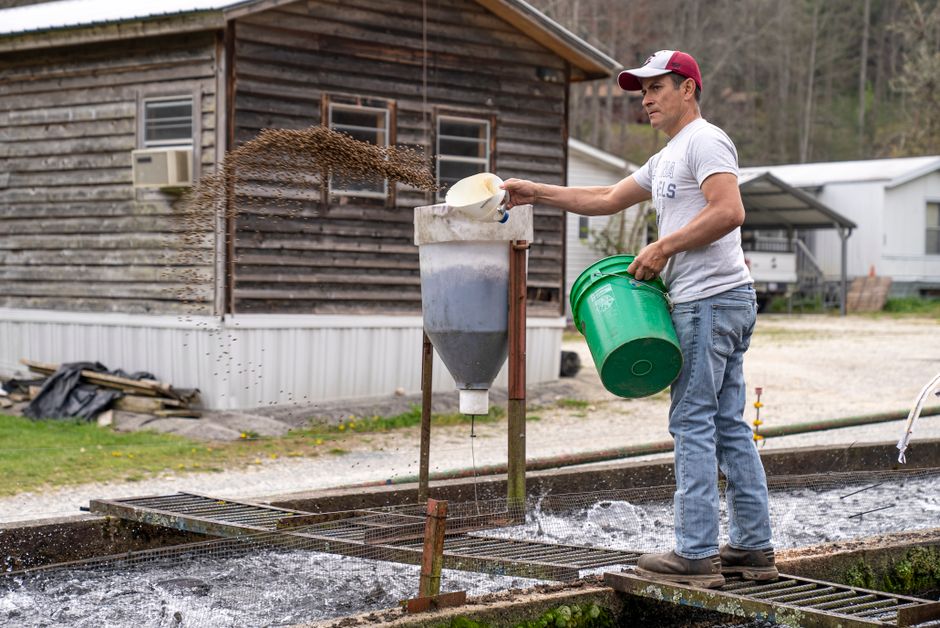
Newly stocked fish usually need time to adjust before receiving regular supplemental feed. In Albany, NY, changing temperatures, seasonal runoff, and differences between a hauling tank and a pond can affect how quickly fish begin feeding.
The safest approach is to protect water quality, observe fish behavior, and offer small amounts only when conditions are suitable. Feeding more does not help fish settle in faster and can create problems if uneaten food accumulates.
Should newly stocked fish be fed right away?
Usually, no. Newly transported fish should often be left undisturbed for the first 24 to 48 hours, unless a fishery manager or stocking plan provides different instructions.
Transport is stressful. Fish may have spent hours in crowded, moving water and may arrive with elevated stress levels. They also need time to adjust to:
- Water temperature
- Water chemistry
- Light levels
- Depth and cover
- Available natural food
- New predators and competing fish
Feeding immediately can increase waste because stressed fish may ignore food. Uneaten pellets sink, break apart, and add organic material to the water. That can reduce water quality, especially in a small pond with limited circulation.
During the first day or two, observation is more useful than feeding. Fish that remain upright, spread through the water, and respond normally to movement are generally adjusting better than fish that gasp at the surface, gather tightly near shore, or remain motionless.
When is it appropriate to begin feeding?
Begin only after fish are swimming normally and water conditions are stable. A short test feeding is better than starting with a full daily ration.
Choose a calm period, preferably in the morning or early evening when water temperatures are moderate. Scatter a small amount of suitable feed over the surface and watch for several minutes. If fish actively consume it, a modest feeding schedule can begin. If they ignore it, remove any visible leftovers and wait another day.
Water temperature matters more than the calendar. Many commonly stocked pond fish eat less during cold weather and may stop feeding during very cold periods. In warm water, fish may feed actively, but oxygen levels can fall overnight or during periods of hot, still weather. Feeding heavily under those conditions can increase stress and worsen water quality.
How much food should be offered?
Start with less food than seems necessary. A practical first portion is only enough for fish to consume within about five minutes. If food remains after that period, the next feeding should be reduced.
The correct amount depends on:
- Species and size of fish
- Water temperature
- Number of fish stocked
- Natural insects, plankton, and other forage
- Pond size and depth
- Aeration and water circulation
- Whether the fish are intended for harvest, growth, or ecological balance
Feeding should be based on observed consumption rather than a fixed scoop or a guess based only on the number of fish. Stocked fish may not all feed in the same area, and some species may depend largely on natural food.
A useful routine is to offer a small amount, watch the feeding response, and stop as soon as fish lose interest. A second small feeding can be considered later if fish consumed the first portion quickly and water conditions remain good.
What kind of feed is suitable?
Use feed made for the species and life stage being stocked. Floating pellets are often easier to monitor because they remain visible and allow the feeder to determine whether fish are eating. Sinking feed is harder to evaluate and can accumulate unnoticed in shallow areas or along the bottom.
Feed size should match the fish. Pellets that are too large may be ignored or swallowed with difficulty. Pellets that are too small may be inefficient for larger fish and can disperse quickly.
Avoid feeding household food, bread, meat scraps, pet food, or kitchen leftovers. These materials do not provide a dependable diet and can contribute to pollution, nuisance wildlife, and uneven fish growth.
Store feed in a cool, dry place protected from rodents and moisture. Old or damp feed can lose quality and may become moldy. A stale odor, clumping, or visible mold are reasons to discard it.
How does Albany’s seasonal weather affect feeding?
Seasonal temperature changes in the area can make feeding patterns uneven. Spring water may remain cold even when daytime air temperatures feel mild. Fish may appear active near the surface but still have limited appetite.
During spring:
- Begin cautiously as water temperatures rise.
- Expect feeding to vary after cold rain or sudden temperature changes.
- Watch for runoff that makes the pond muddy or carries nutrients into the water.
During summer:
- Feed lightly during very hot weather.
- Avoid heavy feeding if fish are gasping at the surface or gathering around an aerator.
- Feed earlier in the day rather than during the hottest afternoon period.
- Reduce or pause feeding after several days of cloudy water, algae growth, or low oxygen concerns.
During fall:
- Fish may feed actively as temperatures moderate.
- Appetite often declines as water cools.
- Reduce portions gradually rather than continuing a summer feeding rate.
During winter:
- Many pond fish need little or no supplemental food.
- Do not feed beneath ice unless fish are clearly active and conditions support feeding.
- Never assume that winter feeding is necessary simply because fish are visible.
Can feeding cause water-quality problems?
Yes. Overfeeding is one of the most common avoidable causes of poor pond water quality. Uneaten feed decomposes and consumes oxygen. Nutrients released during decomposition can also encourage excessive algae or aquatic plant growth.
Warning signs include:
- Food remaining on the surface after several minutes
- Fish repeatedly gasping near the surface
- A strong rotten or sewage-like odor
- Sudden cloudy water
- Unusual fish inactivity
- Dead fish appearing after warm, still weather
If fish are gasping or behaving abnormally, stop feeding and focus on observation and oxygen conditions. Do not add more food in an attempt to revive them. If a pond has aeration, confirm that equipment is operating safely and consistently. Fish kills or rapidly worsening conditions may require guidance from a qualified fisheries or water-quality authority.
Do all newly stocked fish need supplemental food?
No. Many stocked fish can rely primarily on natural forage if the pond supports insects, plankton, small aquatic organisms, and suitable habitat. Supplemental feed may be useful in some managed ponds, but it is not automatically necessary for every stocking project.
Feeding also does not replace habitat management. Fish need adequate dissolved oxygen, appropriate depth, cover, and a balanced food web. A pond that lacks natural forage or has too many fish may not improve simply because more pellets are added.
Predators and wildlife can also affect feeding. Concentrating fish near shore with repeated feedings may make them easier for birds or other predators to locate. Feeding from several suitable points, while keeping portions small, can reduce crowding in one area.
What is a simple feeding plan for the first month?
A cautious plan can look like this:
- First 24 to 48 hours: Observe fish and avoid routine feeding.
- First test feeding: Offer a very small portion when fish are swimming normally and temperatures are moderate.
- First week: Feed once daily only if fish consume the food promptly.
- Following weeks: Adjust the amount according to appetite, temperature, and water quality.
- Any sign of stress: Stop feeding until the cause is understood and conditions improve.
Stocking records, species information, and instructions provided with the fish should take priority over a general schedule. Different species and sizes can have very different feeding needs.
The most reliable guideline is simple: feed only what the fish will consume promptly, and treat changes in behavior as information about the pond rather than as a reason to add more food.