

 See My Latest Article on HelloNation
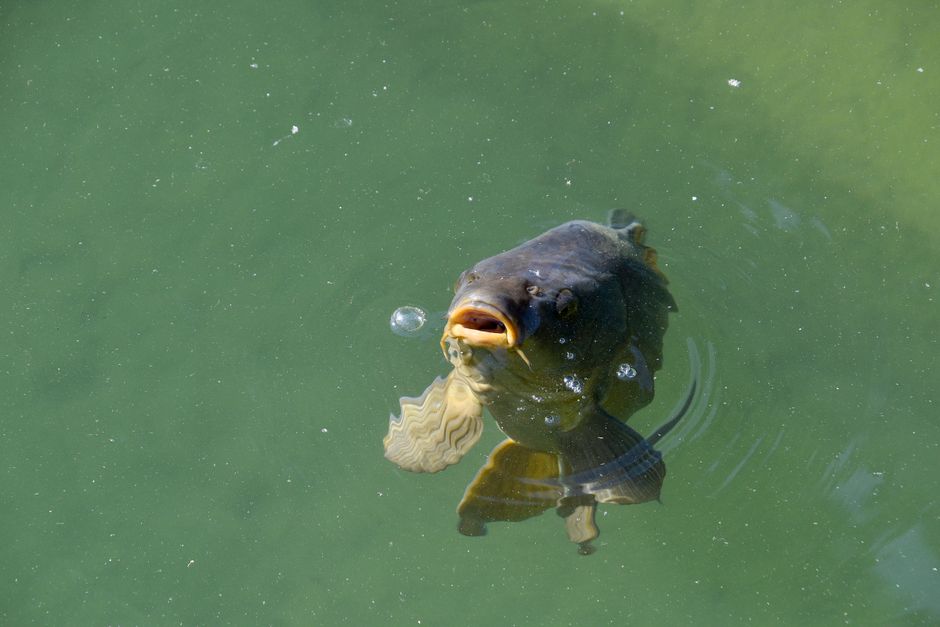
What should you check first if stocked fish are not thriving?
If recently stocked fish are dying, staying near the surface, refusing food, or failing to grow, begin with water quality rather than immediately adding more fish. Low dissolved oxygen, unsuitable temperature, poor habitat, overcrowding, and sudden changes in water chemistry are common causes.
In Albany, seasonal conditions can place unusual stress on small ponds. Hot summer weather, heavy rainfall, winter ice, snow cover, spring runoff, and lawn or stormwater drainage can all change pond conditions quickly.
Before taking action, record:
- The fish species and approximate number stocked
- The stocking date and water temperature at that time
- When the problems first appeared
- Whether fish are dying, gasping, or simply inactive
- Recent weather, algae blooms, heavy rain, or chemical use nearby
- Water color, clarity, odor, and the amount of aquatic vegetation
These observations can help separate a stocking problem from a pond-management problem.
Could low oxygen be the cause?
Yes. Low dissolved oxygen is one of the most common reasons stocked fish fail or die, especially during hot weather and under prolonged winter ice and snow.
Fish may gather at the surface, crowd around an inflow, or appear to gasp most noticeably just before sunrise. That timing matters because oxygen levels often reach their lowest point overnight, after plants and algae have stopped producing oxygen and aquatic organisms continue consuming it.
Low oxygen can result from:
- Dense algae or aquatic weed growth
- Decomposing leaves, grass, manure, or other organic material
- Too many fish for the pond’s size
- Warm, stagnant water
- Several cloudy days after a period of intense algae growth
- Thick ice and snow blocking sunlight during winter
- Sudden mixing of deep, oxygen-poor water after wind or cold rain
A fish kill that affects many species and sizes at once is often associated with oxygen depletion. Large fish may be especially vulnerable because they require more oxygen than small fish.
Do not assume that clear water is automatically healthy. A pond can look clean while oxygen levels are dangerously low, particularly in deeper water or beneath ice.
How can summer conditions harm stocked fish?
Warm water holds less oxygen than cool water, so fish have less oxygen available just when their metabolism and oxygen demand may increase. Shallow ponds are especially vulnerable during prolonged heat.
Algae can make the situation worse. Although algae produce oxygen in sunlight, a heavy bloom may consume oxygen at night and can later collapse. As dead algae and plants decompose, bacteria use additional oxygen. Fish may survive during the afternoon but become stressed overnight or early the next morning.
Watch for:
- Fish piping or gulping at the surface
- A sudden green, brown, or blue-green surface bloom
- A foul or earthy odor
- Fish becoming lethargic during hot weather
- Several dead fish appearing after a cloudy stretch or storm
Avoid adding feed during a suspected oxygen emergency. Uneaten food increases organic waste, and feeding can raise fish activity and oxygen demand. Aeration may help, but equipment should be introduced carefully. Mixing deep, oxygen-poor water too rapidly can worsen conditions in some ponds. Surface agitation or water movement that improves gas exchange is generally more useful than simply stirring the entire pond.
Why do fish sometimes die after winter?
Winterkill can happen when ice and snow remain on a pond long enough to block sunlight. Under those conditions, underwater plants produce less oxygen while fish, insects, microbes, and decaying vegetation continue to consume it.
The problem is more likely in ponds with heavy plant growth, abundant organic matter, nutrient-rich runoff, or limited water exchange. Fish may appear healthy before winter and then die beneath the ice or shortly after ice-out.
Prevention should begin before winter:
- Keep excessive leaves and plant debris out of the pond.
- Reduce nutrient runoff from fertilized lawns, bare soil, and animal areas.
- Maintain a vegetated buffer along portions of the shoreline.
- Use a properly designed aeration system where appropriate.
- Avoid walking on thin ice to inspect or disturb the pond.
Do not automatically place an aerator in deep water at full strength during winter. Strong mixing can bring warmer bottom water to the surface, potentially creating additional stress for coldwater fish. Winter aeration is a design and placement issue, not simply a matter of turning on a pump.
Could the fish species be unsuitable for the pond?
Yes. Stocked fish need conditions that match their biology. Trout, for example, generally require cooler, well-oxygenated water than many warmwater pond species. A shallow pond exposed to full summer sun may not provide a dependable coldwater refuge.
Other mismatches include:
- Stocking predator fish before enough forage fish are established
- Adding too many fish for the pond’s surface area and food supply
- Introducing species that compete for the same habitat
- Expecting stocked fish to reproduce where suitable spawning areas do not exist
- Stocking fish into a newly constructed or highly muddy pond
- Adding fish before shoreline vegetation and aquatic habitat have stabilized
A pond may support fish but still be unable to support the number or combination of species selected. Stocking more fish to compensate for poor survival often increases competition, disease risk, and oxygen demand.
What water-quality problems should be investigated?
Water clarity, temperature, pH, alkalinity, ammonia, and dissolved oxygen can all affect fish health. Testing is more reliable than judging water by appearance alone.
Potential warning signs include:
- Persistent muddy water that limits light penetration
- Sudden changes in water color
- Oily films or unusual sheens
- Strong chemical or sewage-like odors
- Excessive algae or filamentous weeds
- Fish with sores, swollen bodies, damaged fins, or abnormal swimming
- Aquatic insects, frogs, or other wildlife dying at the same time
Runoff from roofs, driveways, treated lawns, failing drainage systems, construction areas, or locations where chemicals are stored can introduce sediment or contaminants. In a residential setting, even a small amount of improperly applied herbicide, pesticide, fertilizer, salt, or cleaning solution can affect a small pond.
If contamination is suspected, do not apply treatments, move fish, or use the water for irrigation until the cause is better understood. A large or sudden fish kill, especially one involving other wildlife, should be reported to the appropriate New York State environmental authorities.
Should dead fish be removed?
Remove accessible dead fish when practical, using gloves and avoiding direct contact with the water if contamination is possible. Prompt removal reduces decomposition and helps prevent additional oxygen demand, although it will not correct the original problem.
Keep pets and children away from piles of dead fish and from water that may contain pollutants or harmful algae. Do not eat fish that are visibly diseased, unusually swollen, badly damaged, or collected from water suspected of contamination.
Photographs of dead fish, the shoreline, algae, water color, and nearby drainage areas can be useful when asking for guidance.
Is it legal to restock or treat the pond?
In New York, stocking fish into private or public waters generally requires the appropriate fish stocking permit. Fish should not be moved from one pond, lake, or stream to another, and live bait water should not be emptied into a waterbody.
Aquatic pesticide use also has regulatory requirements. Treating algae or weeds without identifying the cause can create a second problem by killing plants rapidly and causing further oxygen depletion.
Restocking should wait until the original issue has been identified and corrected. A written stocking plan should account for pond size, depth, water temperature, habitat, forage availability, seasonal oxygen patterns, and the intended fishery.
When is restocking reasonable?
Restocking may be appropriate after the pond has stabilized, but only if monitoring shows that the conditions can support fish. A few surviving fish do not necessarily mean the pond is healthy, and a short period without dead fish does not prove that oxygen or water-quality problems are resolved.
For residents managing a pond in Albany, the most useful approach is to observe conditions across seasons rather than judge the pond from one successful week. Check during early morning heat, after heavy rain, during algae events, before winter, and shortly after ice-out. Consistent records can reveal whether the main limitation is oxygen, temperature, runoff, habitat, stocking density, or an unexpected contaminant.