

 See My Latest Article on HelloNation
Why Is Predator-Prey Balance Important in Stocked Lakes?
Balanced predator and prey relationships are central to long-term fishery health in Albany, NY’s stocked lakes and ponds. Too many predators can quickly reduce forage fish, leading to stunted growth or “empty” water. Too few, and prey species—such as bluegill or minnows—can overpopulate, resulting in unhealthy, stunted fish.
Managing this balance also impacts water quality, vegetation, and recreational fishing experiences. In Albany’s cool, seasonal climate, these relationships shift throughout the year and may be influenced by fluctuating water levels, ice cover, and the introduction of new species.
What Are the Typical Predator and Prey Fish in Albany Area Lakes?
Most stocked lakes in the region have:
- Predators: Largemouth bass, smallmouth bass, northern pike, or sometimes walleye. Occasionally, channel catfish are added for both their predation and scavenger roles.
- Prey (forage fish): Bluegill, pumpkinseed, yellow perch, golden shiners, or fathead minnows.
Factors like lake size, depth, winterkill risk, and current fish communities influence which combinations are chosen by stocking authorities.
How Can Stocking Practices Affect Predator-Prey Dynamics?
Initial and ongoing stocking choices set the foundation for lake balance. Introducing too many predators—or doing so before forage fish populations are established—can result in “boom and bust” cycles.
Effective stocking practices for the area’s lakes usually mean:
- Introducing prey fish before predators, allowing establishment
- Stocking both in numbers appropriate for the lake’s size and forage base
- Periodically replenishing prey populations if surveys find declines
- Avoiding “overstocking” large predators, which can lead to declines in both predator and prey due to lack of food
For example, a 10-acre pond in the local area is typically stocked with several hundred juvenile bluegill in its first season, followed by a smaller number of bass fingerlings the next year, so the bluegill spawn and provide steady food for the young predators.
What Signs Indicate an Imbalance?
Local lake users might notice:
- Large numbers of small, thin prey fish: Often a sign that predators aren’t keeping up, and prey fish are competing for limited food.
- Few, but very large, old predators: Implies poor recruitment, likely due to low prey abundance.
- Sudden drops in any one group: Can signal disease, over-predation, or environmental change.
Residents sometimes miss more subtle impacts, such as increased algal blooms—overpopulated small fish may reduce zooplankton, which usually help control algae.
How Do Environmental Factors in Albany Affect Fish Relationships?
Seasonal ice cover in Albany can stress prey species; oxygen levels drop under ice, especially in shallower lakes with lots of vegetation. Sometimes predators will decline more through harsh winters than prey. In spring, rapid warming or heavy rains can also cause unpredictable population shifts.
Human activities, such as runoff from lawns or accidental fish introductions, also disrupt these balances. For instance, illegal dumping of baitfish can introduce species that outcompete stocked prey or carry disease.
What Practical Steps Support a Healthy Balance?
Residents who observe, use, or steward local lakes can help:
- Encourage compliance with fish harvest regulations, as these are designed to prevent predator or prey depletion
- Report observed die-offs or significant changes in fish populations to local environmental authorities
- Support regular fish community surveys (often performed by state agencies) to inform adaptive stocking
- Avoid releasing unwanted aquarium fish or bait species, which can destabilize established relationships

Simple stewardship, such as maintaining native shoreline vegetation, also offers cover for prey species and nursery areas for young fish, buffering them against predation spikes.
Common Mistakes and Misconceptions in Managing Small Lakes
It’s a myth that simply adding more predators will “fix” prey overpopulation; mismatches in age, size, or timing of stocking can worsen problems. Conversely, removing too many large predators through harvest can cause unchecked prey reproduction. Educated anglers in the area often support catch-and-release practices for larger bass and pike to maintain balanced populations.
Another misconception is that supplemental stocking of prey is always a cure-all—without addressing root causes like habitat loss or poor water quality, extra stocking can fail or even harm the ecosystem.
How Are Outcomes Tracked Over the Years?
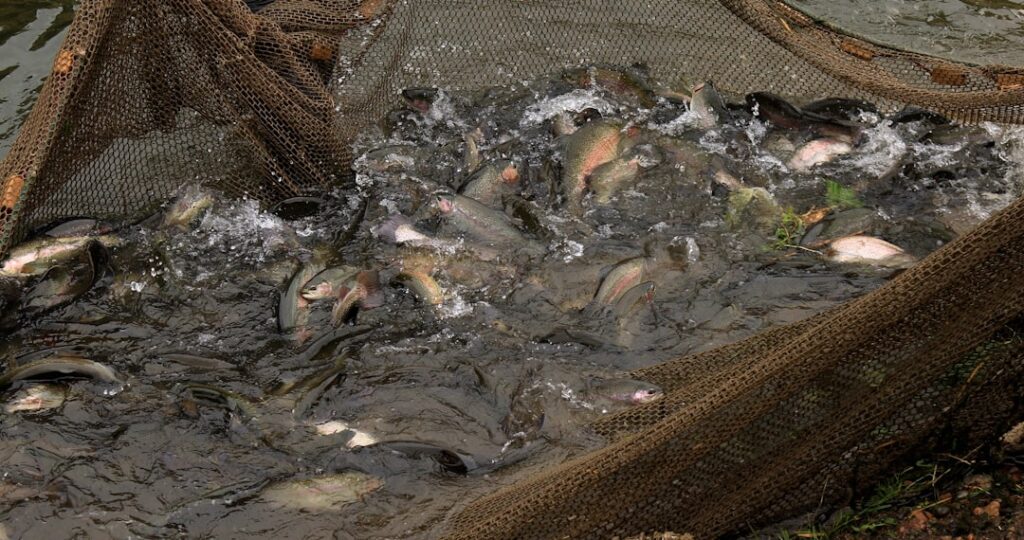
Periodic netting surveys, angler catch data, and visual counts during spawning seasons help track how well balance is being achieved. In local practice, public agencies monitor these surveys around the same time each year. Successful management is measured by a mix of:
- Average size and number of both prey and predator species
- Evidence of young-of-year fish for both groups (showing continued reproduction)
- Stable or improving water quality and aquatic vegetation
If assessment finds recurring imbalances, management adapts—sometimes with changes in stocking ratios, adjustments to harvest limits, or habitat modifications.
What to Do if You Suspect a Problem?
Residents can be valuable sources of information. If you notice:
- Several seasons with mostly undersized fish of one type
- Unusual fish behavior, die-offs, or changes in water color or clarity
- Illegal fish introductions
Reporting observations to the relevant state environmental agency helps ensure the issue is investigated and addressed with appropriate scientific methods, protecting the resource for the community.