

 See My Latest Article on HelloNation
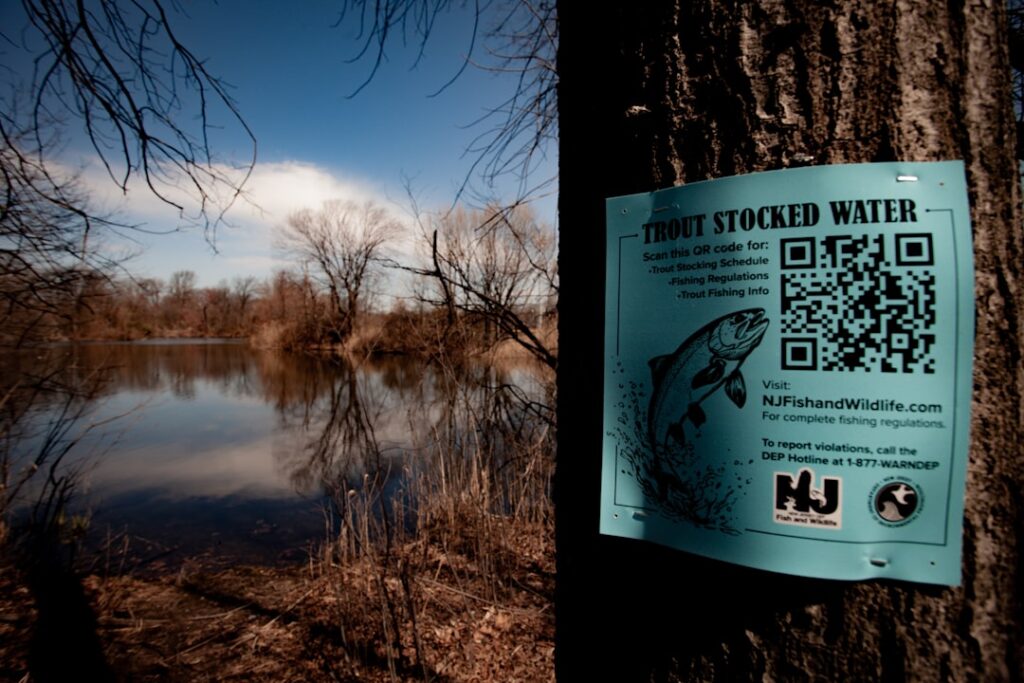
Why Does Overpopulation Happen in Stocked Ponds?
Overpopulation in stocked ponds often results from an imbalance between fish species, limited predation, or unchecked reproduction cycles. In Albany, NY, where backyard and community ponds are common, these factors can quickly lead to stunted growth, poor water quality, and unhealthy fish populations.
Local ponds are sometimes stocked with too many fish or with species that breed prolifically. Without natural predators or planned management, the population can exceed what the pond can support. Seasonal variations, such as warmer summers and icy winters unique to this region, further affect fish growth and survival rates, impacting balance.
How Can Stock Selection Help Maintain Balance?
Choosing the right mix of species and stocking rates is foundational to preventing overpopulation. Many area residents want bluegill, largemouth bass, or channel catfish for their resilience in the region's changing seasons. Matching predator fish (like bass) to prey species (like bluegill) helps keep numbers in check.
- Stocking fewer forage fish compared to predators helps avoid explosions in smaller fish populations.
- Sourcing fish from reliable hatcheries (following state regulations) ensures healthy stock that competes naturally.
- Avoid introducing species known for rapid reproduction, such as crappie, unless the pond is large and heavily managed.
Many local residents underestimate how fast some species reproduce; bluegill and fathead minnows, for example, can multiply quickly without enough predators.
How Often Should Pond Owners Monitor Fish Populations?
Routine monitoring is essential for pond health and balance. A quick check each season—spring after ice melts, midsummer, and fall before temperatures drop—helps spot problems before they escalate.
- Use a seine net or fishing to sample fish sizes and species.
- Keep a log of what is caught to track trends over time.
- Watch for small, undernourished fish, which signal overcrowding and food shortage.
Many households skip seasonal checks, assuming all is well if fish are active, but growth rate and fish condition offer better clues about population balance.
What Role Does Habitat Play in Population Control?
Habitat design influences both breeding and predation rates in ponds. Providing moderate amounts of underwater structure (logs, rocks, brush) gives prey fish shelter, but too much cover can let young fish escape all predation, leading to overpopulation. In Albany’s climate, fallen leaves and natural debris add complexity in autumn—regular removal prevents excessive hiding spots for juvenile fish.
- Limit dense vegetation to manage available cover.
- Maintain some open areas so larger fish can feed on smaller ones, naturally culling the population.
Local pond owners sometimes overdo artificial habitat additions, unintentionally boosting survival rates of young fish far beyond what the ecosystem can handle.
Are There Feeding Practices That Affect Fish Populations?
Supplemental feeding is common, especially in the cooler months or in heavily stocked ponds, but providing too much food affects fish behavior and reproduction.
- Overfeeding encourages more frequent spawning among prey species.
- Uneaten food contributes to nutrient build-up, leading to algae blooms and reduced oxygen—stressful for fish and indirectly promoting overpopulation by stunting growth.
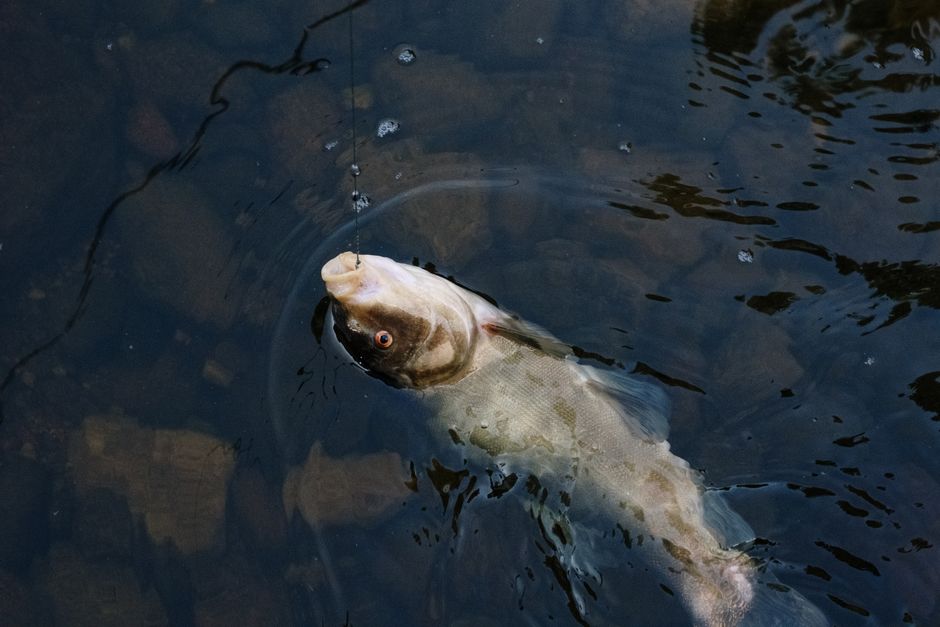
It’s better to feed only what fish consume within 10–15 minutes and occasionally skip days, especially once water temperatures fall below 50°F.
Can Removing Fish Help, and How Should It Be Done?
Selective removal is an effective, low-cost way to prevent overcrowding if monitored responsibly. Once signs of crowding or slow growth appear, use angling, trapping, or netting to thin out the most common age or size class, particularly of bluegill, sunfish, or other prolific breeders.
- Focus removal efforts on small, slow-growing fish rather than larger, more valuable predators.
- Spread removals out across the season to avoid sudden, dramatic decreases.
In the Albany region, community fishing days or coordinated efforts with neighbors on shared ponds can naturally help balance populations.
What Are Common Myths About Pond Overpopulation?
Some local residents believe adding more predators will instantly solve overpopulation. However, an abrupt increase often leads to competition, stunted predator growth, or even die-offs, rather than a balanced ecosystem.
Another myth is that periodic winterkill (fish deaths due to ice and low oxygen) solves the problem. While harsh winters occasionally reduce numbers, this is unpredictable and may only impact sensitive species, not the most prolific breeders.
What Additional Strategies Can Reduce Overpopulation Risks?
Beyond the basics, a few overlooked strategies offer extra insurance:
- Limit fish introductions from outside sources—unintentional arrivals on plants or with bait can start new cycles of overpopulation.
- Maintain healthy aquatic plants, but trim back excessive growth after midsummer to avoid providing too much shelter.
- Test water quality yearly; poor oxygen levels or excessive nutrients often trace back to overcrowded ponds.
Passing knowledge between neighbors or participating in local conservation programs can add another layer of community awareness, helping ensure fish populations in the city’s ponds remain balanced and sustainable throughout the changing seasons.