

 See My Latest Article on HelloNation
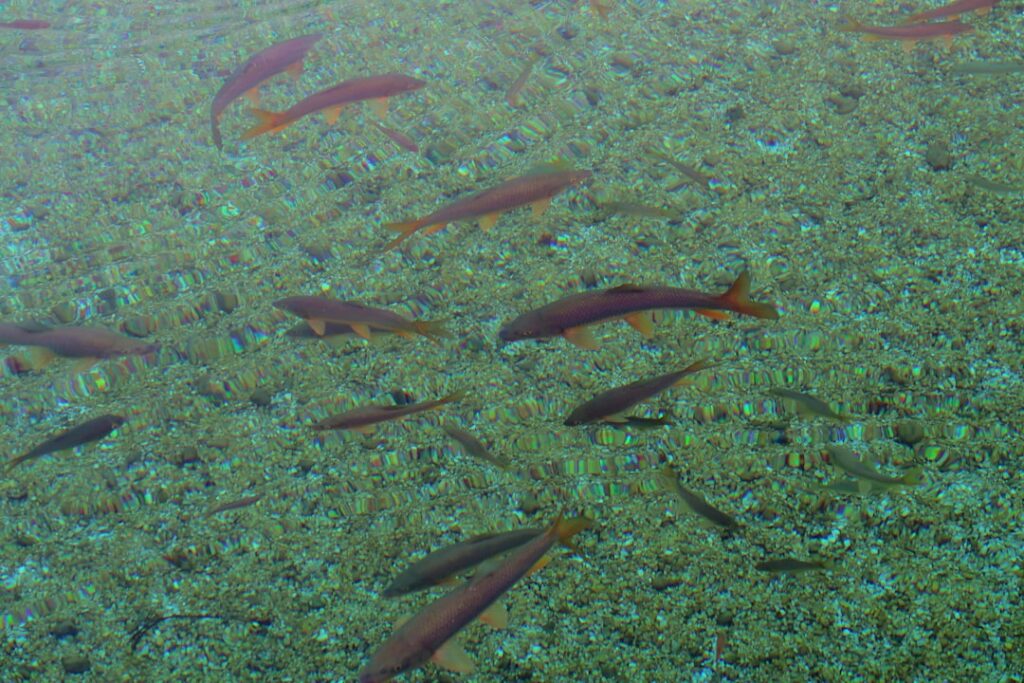
Why Is Water Quality Crucial for Stocked Fish?
Water quality directly affects the survival, health, and growth of stocked fish in local waters. Even fish species bred for hardiness can struggle or fail to thrive if basic water conditions are not met. Residents of Albany, NY who participate in or oversee fish stocking efforts rely on consistently good water quality to support both short-term acclimation and long-term population health.
Stocked fish are often transported from hatcheries and released into unfamiliar environments. These fish, even if suited to New York’s temperatures, are still sensitive to sudden changes in water chemistry, temperature, or oxygen levels. Quick adaptation depends on the new environment meeting minimal standards that allow the fish to recover from the stress of transfer.
What Factors Make Up Good Water Quality for Fish Stocking?
Several interconnected water characteristics—many influenced by local factors—play a major role in fish well-being:
- Dissolved Oxygen: Fish require sufficient oxygen to breathe. Fast-moving sections of the Hudson or local streams generally hold higher oxygen, especially in cool weather. In summer, slower-moving or shallow ponds may see oxygen drop quickly, particularly overnight or during heat waves.
- Temperature: Many stocked species in Albany, such as trout, require colder water. Local lakes and streams can warm rapidly in late spring and summer, reducing oxygen capacity and stressing fish.
- pH Balance: Fish are sensitive to extreme pH changes. Most species stocked in this region prefer a range between 6.5 and 8. Sudden rainstorms can briefly shift local water pH, particularly in small bodies of water surrounded by impermeable surfaces.
- Clarity and Turbidity: Excessive cloudiness from sediment, algae, or runoff can physically clog fish gills or limit their ability to find food. Spring runoff and urban stormwater are common sources of turbidity in this area.
- Nutrient Levels: Runoff containing lawn fertilizers or animal waste raises nutrient levels, fueling algae blooms that reduce oxygen and increase toxins.
How Do Local Weather and Land Use Affect Water Quality?
Albany experiences seasonal challenges that influence water quality for stocked fish. Spring snowmelt and heavy summer rains can wash road salt, sediments, pet waste, and other pollutants into local creeks and ponds. In high-density neighborhoods or near construction sites, the risk of rapid water quality changes goes up.
Conversely, areas with tree cover, established vegetation, or responsible landscape practices tend to filter runoff, stabilizing conditions for fish. Old industrial sites or areas near major roads can introduce heavy metals or chemicals that may not be visible but can still stress or kill newly-stocked populations.
Can Household and Yard Habits Have an Impact?
Many residents are surprised by how daily actions affect local streams, especially following fish stockings. Fertilizer or weed killer applied before heavy rain can quickly move from lawns to nearby waters, raising phosphorus and nitrogen concentrations. Pet waste left along walking paths also adds bacteria and nutrients, contributing to periodic oxygen crashes that are most harmful just after fish are released.
Proper disposal of pet waste, mindful use of lawn chemicals, and allowing natural buffer vegetation to grow near waterways all help maintain water quality, directly supporting higher fish survival rates.
What Are the Visible Signs of Poor Water Quality After Fish Stocking?
Anyone monitoring recently stocked waters can watch for these indicators of water problems:
- Fish repeatedly gasping at the surface may signal low dissolved oxygen.
- Unusual behavior—such as clustering in the shallows, resting near water inlets, or failing to disperse—may indicate stress from sudden temperature or chemical changes.
- Rapid die-offs within days of release are almost always linked to sharp water quality issues, rather than disease or predators.
Regular observation in the first week after stocking provides useful clues. If most fish vanish, it’s rarely due to natural causes alone.
Which Water Quality Issues Are Most Overlooked Locally?

One common misconception is that natural waters in Albany are always suitable for fish stocking, especially if fish have lived there in the past. However, even long-standing lakes or streams can change due to:
- New development or roadways leading to increased runoff
- Rotating seasons affecting water temperature and dissolved oxygen
- Legacy pollution stirring up from sediment during storms
Occasional algal blooms—often noticed only when they turn water green or odorous—are a late indicator. Subtle but persistent problems, such as slightly elevated salt from winter road treatment, may not be obvious but can hinder fish survival over time.
How Can Residents Support or Check Water Quality for Stocked Fish?
Simple but effective actions include:
- Avoiding yard and sidewalk fertilizers near water, especially before rain
- Picking up pet waste, particularly in neighborhood parks and near ponds
- Participating in community cleanup initiatives that target urban streams
- Learning to recognize indicators of water stress (poor clarity, surface scum, sluggish fish) and reporting changes to local environmental groups or public agencies
Those with pond or lake access can support fish health by maintaining or planting shoreline areas with native vegetation and limiting hard surfaces near the water’s edge.
Who Oversees Water Quality for Stocking Efforts in Albany, NY?
Public agencies—most notably New York State Department of Environmental Conservation—monitor and regulate large-scale fish stocking. They regularly sample local waters to confirm basic quality parameters. Smaller community or private pond efforts may not have the same oversight, and local participation makes a significant difference by catching issues early.
Maintaining suitable water conditions before, during, and after a stocking event gives fish the strongest chance for survival and success, supporting recreational fishing and ecological benefits in Albany’s waters year-round.