

 See My Latest Article on HelloNation
What Does a Balanced Pond Ecosystem Look Like?
A balanced pond ecosystem supports clean water, healthy fish, and diverse local wildlife. In Albany, NY, typical backyard and rural ponds can achieve this balance by mimicking natural processes and paying attention to local seasonal changes. Healthy ponds have a mix of water plants, aquatic creatures, and beneficial bacteria that keep each other in check.
Which Fish Species Can Thrive Together in Albany, NY?
Certain fish species do best in the climate and typical pond sizes found around the city. Combining compatible fish helps avoid overcrowding, competition, and disease. For most local ponds, these fish often work well together:
- Largemouth bass (predators that control panfish populations)
- Bluegill or pumpkinseed sunfish (excellent for insect control)
- Fathead minnows (serve as forage for larger fish)
- Channel catfish (bottom feeders that help clean debris)
Stocking ratios matter and depend on pond size and goals. For a typical small pond, a helpful starting mix might be 100 bluegill, 10 largemouth bass, and 25 catfish per surface acre, with fathead minnows added as needed. Adjustments may be needed for smaller decorative ponds or when managing high fish density.
Do Ponds Really Need Aquatic Plants?
Yes—plants are crucial for shading, oxygen, filtration, and wildlife shelter. Area ponds benefit from a mix of submerged (underwater) and emergent (rise above water) plants:
- Elodea and pondweeds (submerged) produce oxygen and clarify water.
- Pickerelweed, arrowhead, and cattails (emergent) stabilize shorelines and prevent erosion.
- Water lilies shade fish, helping keep temperatures moderate during hot northeastern summers.
Too many plants, especially quick-spreading species like duckweed, can throw things off balance. Remove excess plant matter in late summer to avoid decay and ensure airflow.
How Does Water Quality Affect Fish Health?
Fish need clean, oxygen-rich water. In and around Albany, cold winters, hot summers, stormwater runoff, and leaf litter are common concerns. Regular checks for these signs can indicate trouble:
- Cloudy or green water often means over-fertilization or too many fish.
- Foul smells or floating fish suggest low oxygen.
- Heavy algae blooms may indicate excess nutrients, especially after lawn care or rainstorms.
Maintaining a buffer strip of native grasses and plants around the pond edge absorbs runoff and limits nutrient overload. Avoid dumping lawn clippings, pet waste, or chemicals near the water.
What About Beneficial Bacteria and Insects?
Bacteria and aquatic insects, though not as visible as fish or plants, are essential. They break down dead material and cycle nutrients, supporting all pond life.
- Beneficial bacteria grow on rocks and plant roots, breaking down excess waste.
- Insect larvae (like dragonflies) eat mosquito larvae and are prey for fish and birds.
Commercial bacterial “boosters” are sometimes used, but often a healthy population exists if the pond is left undisturbed and not treated excessively with chemicals.
How Can Ponds Stay Healthy Year-Round in Albany, NY?

Ponds in this area experience freezing winters, rapid spring melts, and humid summers. Each season brings maintenance needs:
- Spring: Remove leaves and debris that could decay and use a net if needed to limit new leaf litter.
- Summer: Monitor for algae and oxygen drops during hot spells. Adding a small fountain or bubbler increases oxygen.
- Fall: Thin out overgrown plants and avoid overfeeding fish—extra food can settle and rot.
- Winter: Don’t smash ice; this shocks fish. Use a pond de-icer or gently melt a hole to allow gas exchange if fish overwinter outside.
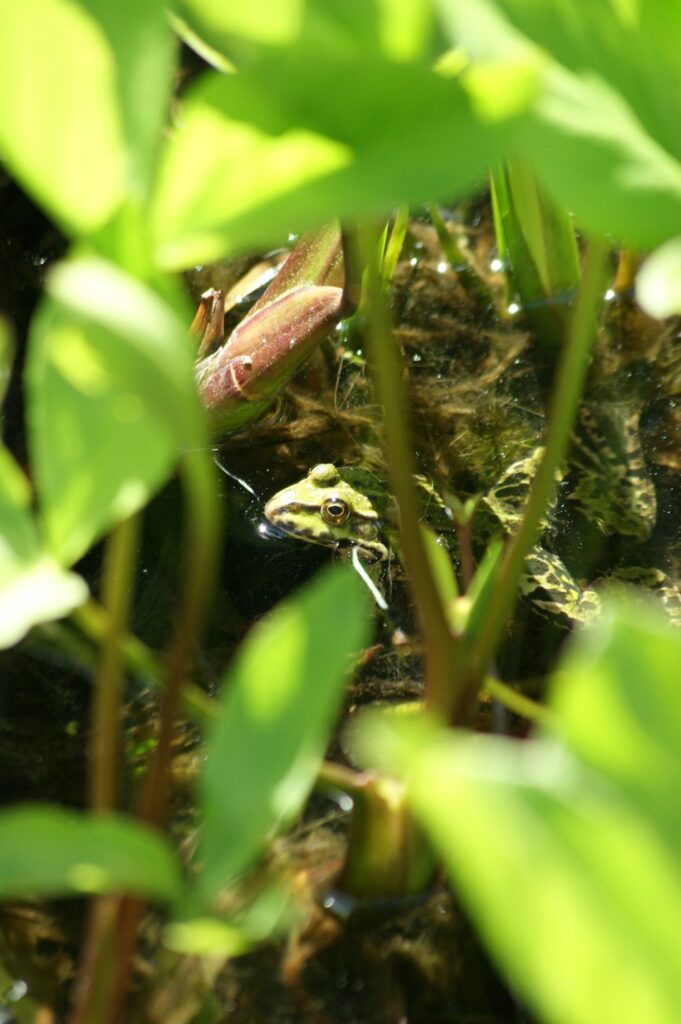
Remember that local wildlife, such as frogs, turtles, and visiting birds, are part of a balanced system, and their occasional presence is a healthy sign.
Are There Common Mistakes Residents Should Avoid?
Some frequent missteps that can disrupt a pond ecosystem include:
- Overstocking fish, which overwhelms filtration and natural balance
- Introducing non-native or invasive fish/plants that outcompete natural species
- Using too many chemical algaecides or pond treatments
- Neglecting routine debris and plant removal, causing poor water quality
- Feeding fish excessively, which adds to nutrient buildup
- Failing to research how local weather affects pond turnover and freezing
Taking the time to research stocking and maintenance based on regional advice can prevent most long-term issues.
How Do Ponds Support Local Wildlife and the Environment?
Ponds serve the community by attracting pollinators, birds, and beneficial insects, and can help manage stormwater runoff. Using native plants and natural edges supports biodiversity far beyond just fish. Even small backyard ponds in the city provide habitat that supports Albany’s broader ecological health.