

 See My Latest Article on HelloNation
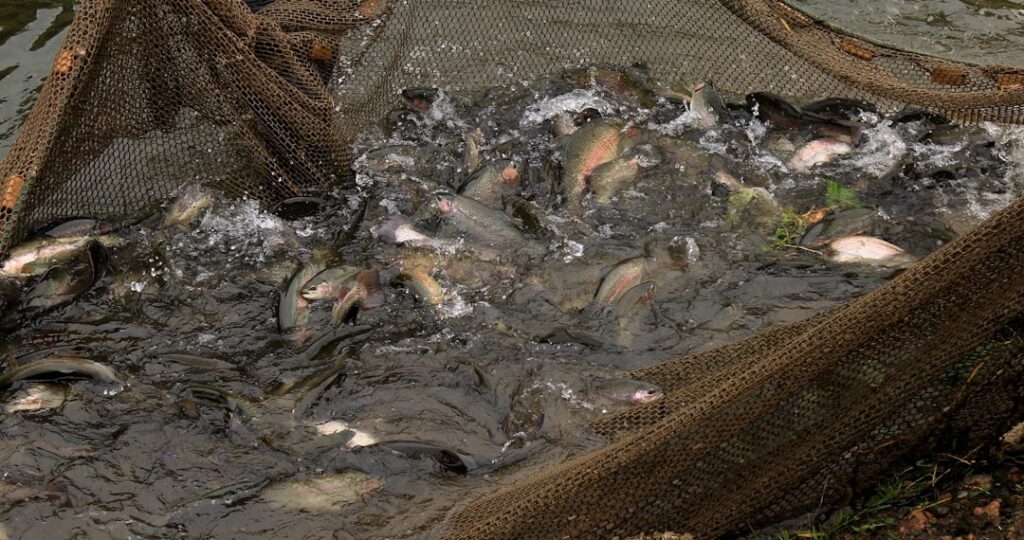
What Are Healthy Fingerlings, and Why Do They Matter?
Healthy fingerlings are young fish, generally a few inches long, that show clear signs of vigor, good coloration, and absence of visible illness or deformity. Stocking only robust, disease-free fingerlings is crucial for anyone in Albany, NY looking to support healthy pond or lake ecosystems, as well as for residents managing backyard water features or participating in community fish stocking efforts.
Fingerlings that are not healthy can introduce disease, struggle to grow, or even jeopardize the balance of established aquatic environments. Local factors in Albany—like freeze-thaw cycles, variable spring melt, and differences in pond depth—make selecting sturdy fingerlings especially relevant.
Which Physical Signs Help Identify Healthy Fingerlings?
Physical inspection offers the fastest way area residents can judge fingerling health, especially before delivery or stocking in local ponds.
- The body should appear plump, not sunken or gaunt.
- Scales must be intact, shiny, and free from white patches, red sores, or fuzzy growths.
- Fins need to be clear, unfrayed, and held erect rather than clamped against the body.
- Eyes should be clear, bright, and not cloudy or protruding.
If fingerlings look visibly weak, swim oddly, or exhibit any spots, they may be carrying parasites or diseases not always visible to the untrained eye. These fish should be avoided for local stocking projects.
How Do Behavior and Activity Levels Reveal Fish Health?
Observing fish behavior provides valuable clues. In holding tanks, healthy fingerlings are usually active, swim steadily, and respond quickly to movement. Unhealthy fish may:
- Hover near the surface or bottom, away from the group
- List to one side or appear uncoordinated
- Make repeated attempts to gulp air
Area residents sometimes mistake lethargic fish for “calm” or “less stressed,” but such sluggishness often points to health issues rather than easy adjustment. Quick movement, purposeful swimming, and synchronized schooling are stronger indicators of fish ready to thrive after being stocked.
Are There Common Misconceptions About Fingerling Condition?
Yes—several myths persist, especially among first-time stockers or those new to managing backyard ponds in the region.
- "Faded" color means the fish is adjusting: In fact, healthy fingerlings usually maintain consistent, bright coloration unless severely stressed.
- Visible marks are always minor injuries: Many marks may be early signs of infection or disease—a reason to be cautious, not reassured.
- "Quiet" fingerlings are less likely to die from shock: Docile or slow-moving young fish are often the least likely to survive the stress of stocking.
Recognizing these misconceptions helps protect investment in local fish stocking projects, whether for public waters or home use.
How Does Water Quality Influence Fingerling Selection in Albany?
Water quality—both in transport and upon arrival—strongly influences fingerling health. The city’s seasonal temperature swings and the potential for winter road salt runoff can change local water chemistry quickly. When examining fingerlings before stocking, ask whether their holding water resembles that of the target pond in:
- Temperature (cold, especially in early spring)
- pH (usually between 6.5–8)
- Dissolved oxygen (high oxygen is best)

Fingerlings should come from tanks with clean, clear water, not murky or foul-smelling containers. Healthy fish breathe evenly; those gasping or clustered at inflow points may be stressed from poor water quality—a warning sign for local residents.
What Is the Role of Acclimation Before Stocking?
Albany's variable climate means that fingerlings, even if healthy, can go into shock if introduced too quickly into new water. Before transferring fingerlings into ponds, float their transport bag in the destination water for 15–30 minutes to gradually equalize temperatures. Next, mix small amounts of pond water into the bag over an additional 10–20 minutes. This careful acclimation protects even robust fingerlings from temperature or pH shock, both common in this region during spring and fall.
Are There Health Certifications or Regulations to Check?
Those stocking larger ponds, neighborhood lakes, or participating in public projects should look for evidence that the fingerlings have been inspected and certified disease-free by appropriate agencies. While small backyard ponds may not require formal paperwork, community-led stocking in Albany sometimes falls under local or state regulation to prevent the importation of invasive or diseased species.
Asking for documentation of health checks—especially for hatchery-raised fingerlings—can help the community maintain the health of interconnected watersheds and avoid unintended repercussions.
What If Some Fingerlings Appear Unhealthy at Arrival?
Despite the best intentions, shipments may contain a mix of robust and unwell fish. It’s safest to return any obviously sick or dead fingerlings, and separate out questionable individuals. Stocking visibly ill fingerlings can risk the health of all pond or lake inhabitants. For smaller backyard ponds, fish can be quarantined in a separate container with clean water, while being observed for further signs of illness before any decision to stock is made.
This preventative step is more impactful than most realize, especially in compact settings common around city neighborhoods.
Summary: Key Points for Local Residents
Healthy fingerlings have:
- Smooth, unmarked bodies and fins
- Consistent bright color
- Active, natural swimming behavior
- No visible deformities, cloudy eyes, or odd smells in holding water
Selecting only robust fingerlings—and prioritizing slow, careful acclimation during stocking—supports thriving local fish populations. These steps allow area households and community groups to enjoy long-term success whether maintaining ornamental ponds or replenishing local water bodies.